Creative Flowers: A Craft Fair Embroidery Winner
First Impression: Cheerful, Versatile, and Instantly Recognizable
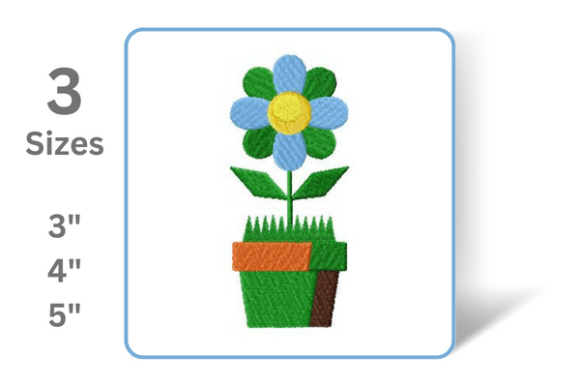
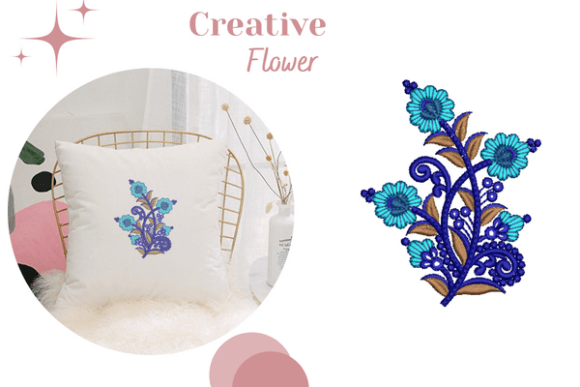
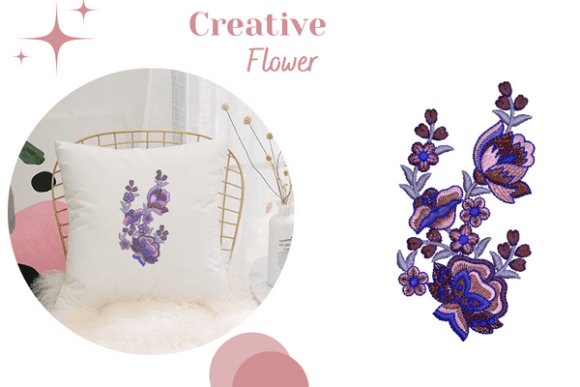
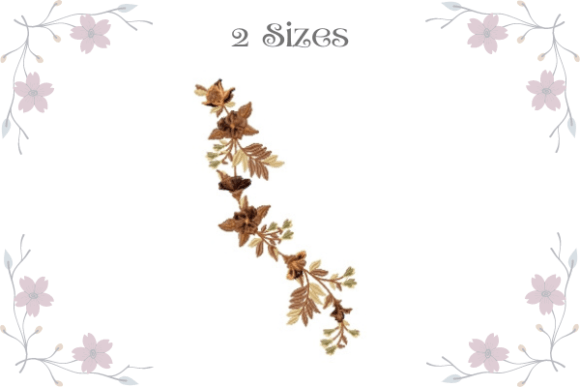
As an embroidery designer who’s prepped over 200 craft fair booths in the past decade, my first glance at Creative Flowers tells me exactly what I need to know: this is a design built for connection. It doesn’t shout “vintage” or “minimalist”—it leans into joyful, approachable charm. Think sunlit garden, not botanical textbook. The title alone signals warmth and handmade intention, and the description—“beautifully embroidered on any fabric you like”—confirms flexibility without overpromising. That’s gold for small shop owners juggling cotton twill, linen tea towels, and stretchy knit caps.
Where Creative Flowers Shines on Craft Fair Products
In a crowded booth, Creative Flowers stands out most when placed intentionally—not as filler, but as focal point or thoughtful accent. Here’s how it performs across top-selling categories:
- Tote bag design: Works beautifully centered on the front panel of medium-weight canvas or natural cotton. Large enough to read from three feet away, yet balanced enough not to overwhelm the bag’s structure.
- Apron embroidery: Ideal above the pocket or along the waistband. Its organic shape softens utilitarian lines and invites touch—customers often pause and trace the petals with their fingers.
- Tea towel embroidery: A standout on flour-sack or Belgian linen. The “colorful look” described translates well here—especially when paired with contrasting thread colors that pop against cream or oatmeal fabric.
- Embroidered patch: Highly effective at 3–4 inches wide. Clean outlines and moderate stitch density mean it irons on cleanly and holds up through washing—critical for Etsy sellers offering sew-on or iron-on options.
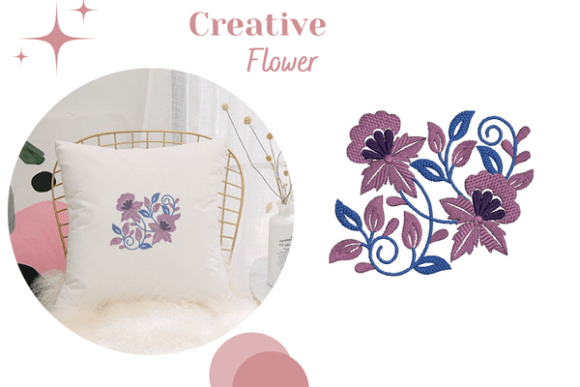
- Pillow cover & pouch embroidery: Delivers perceived value instantly. Even a modest 3.5-inch placement elevates a plain linen pillow cover from “basic” to “curated.” Same goes for drawstring fabric pouches—small but memorable.
- Caps & curved surfaces: Proceed with caution. While doable, the floral motif’s gentle curves demand precise digitizing. Test on scrap baseball caps first—stitch density near stems or tight petal clusters may pucker on rigid foam fronts.
Real-World Production Notes Every Designer Should Check
Creative Flowers is commercially viable—but only if you treat it like a live product, not just a digital embroidery file. Before cutting your first production run:
- Test the design on scrap fabric matching your intended product (e.g., terry cloth for towels, duck canvas for totes).
- Check thread contrast—especially on dark fabric. Light pastel threads may vanish; deeper corals or mustard yellows often read better than pale pinks.
- Review spacing between elements. Overly tight petal groupings risk dense stitch areas that flatten texture or cause skipped stitches on textured towels.
- Confirm hoop size compatibility. If your machine requires re-hooping mid-design, factor in alignment time—critical when producing 20+ embroidered patches for a weekend market.
- Inspect stitch density. High-density fills in centers can stiffen lightweight fabrics. Consider simplifying inner motifs for tea towel or apron versions.
- Use the right stabilizer: cutaway for knits, tear-away for stable wovens, and fusible + tear-away combo for terrycloth.
- Create at least one real mockup—not just a printable mockup. Hold it in natural light. Does it look handmade, or mass-produced? Creative Flowers should feel intentional, not generic.
- Compare fabric colors side-by-side. A single thread palette may shift dramatically on ivory vs. oat vs. charcoal linen.
- Verify commercial licensing before selling finished products. As a digital embroidery file, its use rights directly impact your Etsy seller compliance and boutique wholesale agreements.
Why Creative Flowers Builds Booth Strength & Buyer Trust
This isn’t just another floral embroidery—it’s a visual handshake. At a craft fair, where attention spans are measured in seconds, Creative Flowers delivers immediate clarity: *handmade*, *thoughtful*, *joyful*. It reinforces brand consistency across product types without needing matching fonts or logos—its shape and rhythm become your signature. Customers remember how it made them feel (“That flower reminded me of my grandmother’s garden”) far more than they remember technical specs.
Visually, it boosts perceived value. An unembellished tea towel sells for $16. Add Creative Flowers with quality thread and clean registration—and suddenly it’s a $28 handmade product with gift-ready appeal. On tote bags, it transforms utility into identity. On pillow covers, it adds quiet luxury without price inflation.
For Etsy sellers, Creative Flowers photographs exceptionally well—soft shadows, clear edges, and natural color variation make it ideal for lifestyle shots. Pair it with wood textures, ceramic mugs, or fresh-cut stems, and your listings gain editorial warmth. And because it reads clearly at multiple scales, it supports both thumbnail visibility and detailed close-ups—key for scroll-driven browsing.
A Final Note for Digital Sellers & Boutique Makers
If you’re licensing or reselling Creative Flowers as a digital embroidery file, remember: its strength lies in versatility—not uniformity. Encourage buyers to adapt it. Suggest thread swaps, scale adjustments, and layout variations in your product description. That guidance turns a static file into a design asset—and helps your customers succeed, too.
Ultimately, Creative Flowers earns its place in your craft fair lineup because it balances artistry with actionability. It’s bold enough to stop a passerby, gentle enough to invite conversation, and practical enough to embroider reliably—batch after batch. In a sea of samplers and scripts, this floral embroidery design doesn’t compete. It connects.