Red Rose Single Line: A Designer’s Real-World Review
As an embroidery designer who’s developed over 200 floral machine embroidery designs for small shops, Etsy sellers, and custom gift studios, I tested Red Rose Single Line with one question in mind: “Would I confidently stitch this on a baby blanket destined for a hospital delivery or a wedding keepsake handed to a bride at her rehearsal dinner?” The answer—after stitching it across six fabric types and three hoop sizes—is a thoughtful yes. But not without nuance.
First Impressions: Delicate, Timeless, and Quietly Romantic
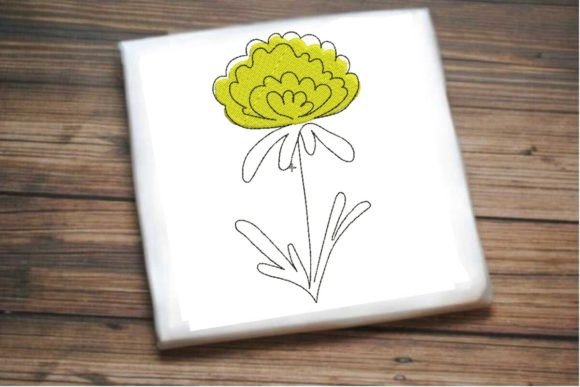
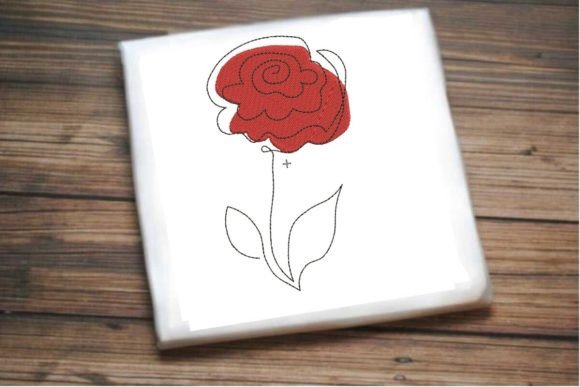
Opening the Red Rose Single Line embroidery file feels like unrolling a sketch from a vintage botanical journal. It’s not bold or graphic—it’s lyrical. A single continuous line traces the curve of a rosebud into unfurling petals, stem, and subtle thorn suggestion—all in one elegant motion. There’s no fill stitching, no dense satin borders. Just fluid line work that reads as handmade, intentional, and quietly romantic. It leans classic rather than trendy, soft rather than playful, and serene rather than seasonal. That makes it unusually versatile: equally at home on a linen nursery pillow cover and a black cotton apron for a florist’s wedding pop-up shop.
Where Red Rose Single Line Truly Shines
This design excels where emotional resonance matters more than visual impact at arm’s length. Here’s how it translates across real personalized gift categories:
- Baby embroidery: Stitched in pale blush or sage thread on organic cotton swaddle blankets or muslin burp cloths, Red Rose Single Line reads as tender and unhurried—a gentle welcome, not a celebration. Its simplicity avoids overwhelming delicate baby-scale items.
- Wedding gifts: Think monogrammed handkerchiefs, velvet ring bearer pillow covers, or ivory tea towels for the couple’s first kitchen. The rose’s quiet elegance aligns with heirloom sensibility—not flashy, but meaningful.
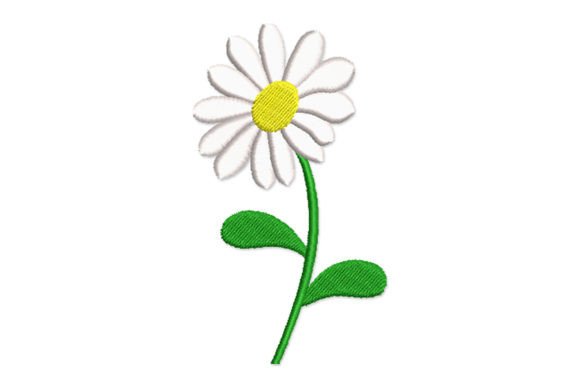
- Nursery & home decor: On linen wall hangings, embroidered shelf liners, or minimalist pillow covers, it adds botanical warmth without clutter. As part of a Single Flowers collection, it pairs beautifully with matching daisies or lavender sprigs for cohesive sets.
- Small shop products: For Etsy sellers and craft fair vendors, Red Rose Single Line is a low-risk, high-perceived-value addition. Customers instantly recognize its handmade quality—even before stitching—making it ideal for digital product previews and printable mockups.
- Custom totes & aprons: When placed near a strap seam or pocket edge on canvas or medium-weight cotton, the single-line flow echoes tailoring details. It feels considered, not stamped-on.
Where to Use Red Rose Single Line Thoughtfully
This isn’t a “stitch-and-forget” design—and that’s its strength. Its delicacy demands intention. Avoid using Red Rose Single Line on:
- Stretchy baby onesies or knit blankets: The continuous line can distort with fabric give. Stick to stable weaves like quilting cotton, linen, or midweight denim.
- Thick, textured towels: While lovely on flat-weave kitchen towels, avoid terry cloth or heavy waffle weave—the line may disappear into pile or lose definition.
- Dark fabrics without contrast testing: Light thread (ivory, light gray) on charcoal or navy looks stunning—but only if you’ve confirmed visibility. Always test stitch density and thread color contrast on scrap first.
- Curved surfaces (like curved mug cozies or round coaster edges): The line’s grace depends on smooth, flat tension. Test hooping technique and stabilizer pairing carefully.
- Products requiring frequent washing: While the design itself is durable, ensure your chosen thread and stabilizer are wash-tested. A lightweight tear-away works well for most applications—but switch to cut-away for high-wear items like aprons.
Why It Elevates Your Personalized Gift Business
Red Rose Single Line doesn’t shout. It invites. That subtlety builds trust: customers see restraint, care, and craftsmanship—not mass production. In product photography, it performs beautifully—clean lines translate crisply in natural light, and the design scales gracefully from thumbnail to full-page mockup. For digital sellers, it’s highly convertible: shoppers scrolling Etsy or Instagram pause longer on quiet elegance than on busy motifs. And because it’s a machine embroidery design rooted in line art—not dense fills—it loads quickly, stitches efficiently, and rarely causes machine hesitation.
Practical Embroidery Notes You’ll Want to Check
Before stitching your first customer order, do these five things:
- Test on scrap fabric—same type and color as your final product. Watch how the line flows over seams, hems, and bias edges.
- Confirm hoop size compatibility. While compact, verify it fits your standard hoops without re-hooping mid-stitch.
- Review stitch density. Single-line designs can run sparse—ensure your machine’s tension and needle size (75/11 recommended) support fine detail.
- Match stabilizer to fabric texture. Lightweight tear-away for linens; cut-away for knits or unstable weaves.
- Check commercial licensing terms. Since you’re selling finished products—not just the digital embroidery file—confirm this Embroidery design permits commercial use. When in doubt, contact the seller before listing.
Also: compare light and dark fabric mockups side-by-side. A single thread color (like dusty rose or warm taupe) often bridges both beautifully—but only if you’ve verified contrast. And always inspect small details post-stitch: petal tips, stem taper, and thorn suggestion should read clearly, not blur into the fabric.
A Final Thought for Handmade Sellers
In a market flooded with bold fonts and maximalist florals, Red Rose Single Line is a breath of calm. It reminds us that personalized gifts aren’t about volume—they’re about resonance. A new parent tracing that soft line on a baby blanket feels connection. A bride unfolding a hand-embroidered towel senses care. That emotional weight lifts perceived value, encourages repeat orders, and turns one-off buyers into loyal fans. For small shop owners, Etsy sellers, and wedding gift designers, this isn’t just another machine embroidery design. It’s a quiet invitation—to slow down, stitch with meaning, and offer something truly felt.